
The Uchida-Kraepelin performance test is an aptitude test and personality inventory that uses objective indicators to assess an examinee’s capability traits and behavioral and personality traits.
The Uchida-Kraepelin performance test is a psychological test based on a non-verbal work-test method. It is therefore unaffected by the examinee’s native language or cultural background and can be used overseas, including for hiring foreign nationals, in exactly the same way as it is used in Japan.
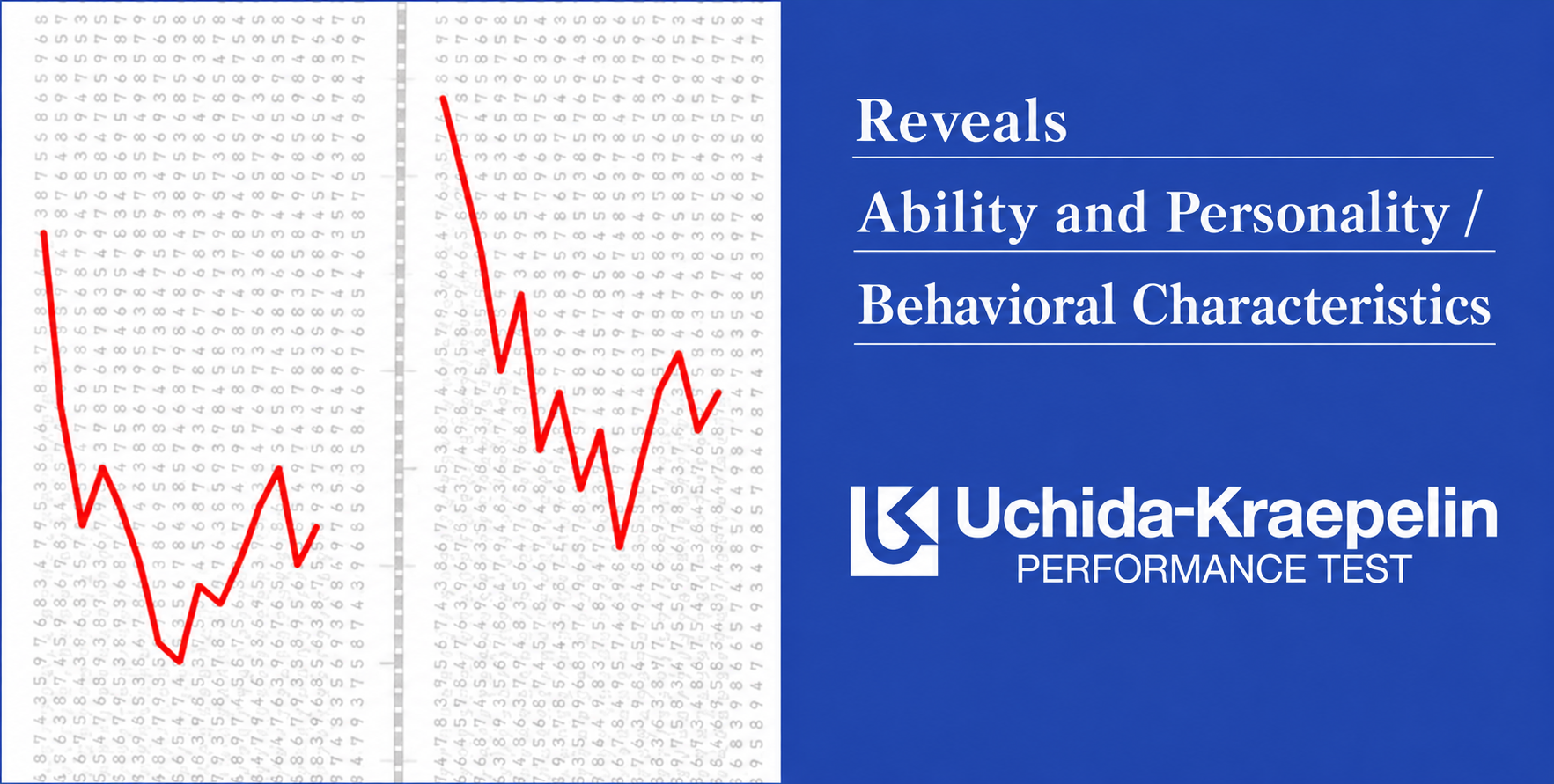
What is the Uchida-Kraepelin performance test?
Examinees carry out simple single-digit addition. Their performance provides information about their capability traits and behavioral and personality traits.
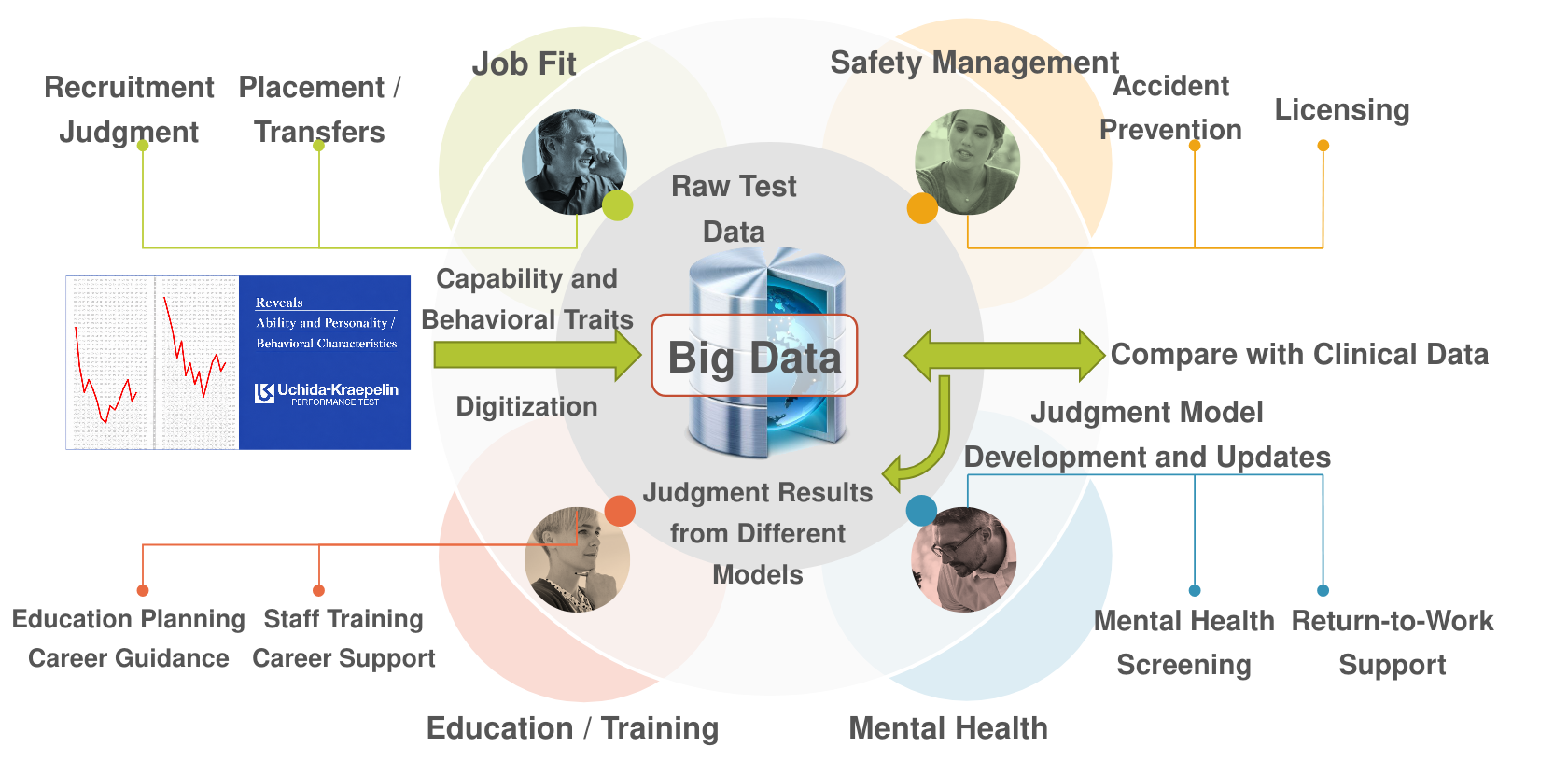
The test is used in Japan and internationally for recruitment and personnel placement in government agencies and companies, educational guidance in schools, and as supporting information for assessment in clinical settings.
A leading Japanese psychological test, taken by 700,000 people in Japan and 10,000 overseas each year
The Uchida-Kraepelin performance test is one of the longest-established psychological tests developed in Japan. It has been used in industry, education and healthcare for nearly 100 years.
Its long history and use across many fields reflect its value in assessing fundamental aspects of human psychology. Around 700,000 people in Japan still take the test annually, and its value continues to be highly regarded.
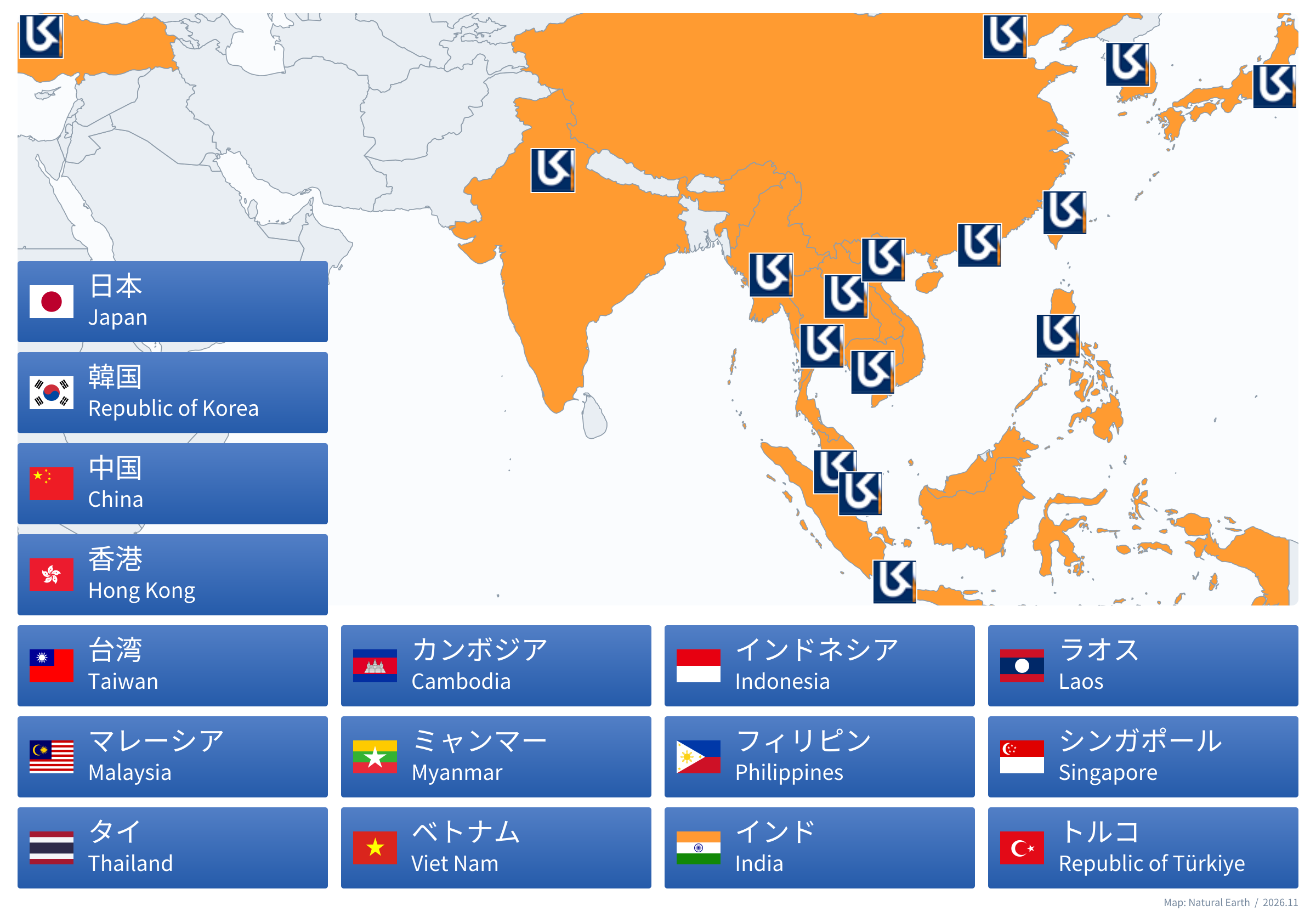
In recent years, the Uchida-Kraepelin test has moved beyond its position as a representative Japanese test and is spreading worldwide, with Asia at its center. In an era that values diversity, renewed attention is being drawn to the test’s strength: it is little affected by language or cultural background and can also be used to recruit foreign nationals overseas.
Currently available in 16 countries and regions, including Japan
See aspects that interviews and questionnaires may miss
The test’s defining feature is that it assesses examinees through their performance on a task. Responses in interviews and the questionnaire method inevitably reflect the respondent’s intentions, subjective views and self-perception. The Uchida-Kraepelin performance test reveals characteristics in the examinee’s work that the examinee may not be aware of.
For examinees of different ages, genders and languages
The Uchida-Kraepelin performance test belongs to a category of psychological assessment known as the performance test method.
Examinees perform simple single-digit addition, moving to a new line every minute. There are two 15-minute sessions, with a five-minute break between them: 30 minutes of calculation in total. The overall workload, changes in the amount of work completed each minute (the working curve), and calculation errors are used to assess capability traits and behavioral and personality traits together.
Anyone who can perform simple single-digit addition using the numerals 0–9 can take the test, regardless of language. This makes it possible to administer exactly the same test to domestic and foreign employees, including:
- Domestic employees
- Foreign employees
- Locally hired employees at overseas operations
- Personnel sent abroad under technical intern training, specified skilled worker and highly skilled professional programs
Results reports are available in Japanese, English, Korean, Simplified Chinese, Traditional Chinese, Thai, Vietnamese and Turkish.
Guides to interpreting results are also available in the corresponding languages.
Understand both capability traits and behavioral and personality traits
Assessing intelligence and personality usually requires two or more tests. The Uchida-Kraepelin performance test assesses both the capability a person brings to a task and the characteristics they display when using that capability.
Capability traits correlate strongly with intelligence and indicate how quickly and efficiently an examinee can complete an assigned task. The characteristics shown when using that capability overlap considerably with what we commonly call personality.
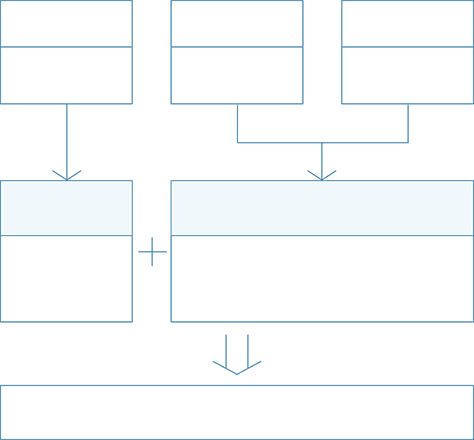
Total amount
of calculation
Changes in
calculation output
per minute
Mistakes
in addition
traits
Work efficiency
and pace
Individual strengths and characteristic
patterns when working
An indicator for the right person in the right place
Use information about the potential required for a role and an individual’s behavioral and personality traits to support recruitment, personnel placement, and organizational analysis and development.
- Recruitment: reduce mismatches during the probationary period.
- Personnel placement: make the capability traits and behavioral and personality traits required for a role visible.
- Promotion: assess whether a person has the potential required for the next role.
- Organizational assessment: understand the current situation and work toward an effective organizational structure.
- Safety management: identify and reduce human-related risks.
- Mental health: use periodic assessments to support monitoring of psychological wellbeing.
Track record
More than 50 million people have taken the test in total. Government agencies, companies and schools continue to use it, with approximately 700,000 examinees in Japan and 10,000 overseas each year.
| Government agencies | Central government agencies, including the Ministry of Defense, Japan’s Ground, Maritime and Air Self-Defense Forces, and the Ministry of Land, Infrastructure, Transport and Tourism Personnel commissions in 37 of Japan’s 47 prefectures Boards of education and education departments in 26 prefectures Police headquarters, fire services and transport bureaus in 31 prefectures |
|---|---|
| Companies | Aleph, Mochida Pharmaceutical, Honda Motor, Yamato Transport, Dai Nippon Printing group companies, Isetan, ULVAC, JR and other railway companies, Daido Steel, Mitsubishi UFJ Trust and Banking, Nitori, Hasegawa, Nishi-Nippon Seitetsu, JFE Steel, ALSOK, Nichinoken, Nippon Express, Mitsubishi Heavy Industries, Seiko Epson, Combi, AGREX, FUJI YAKUHIN, Union Construction, Kohnan Shoji, Taisei Corporation, Hitachi, François, Skylark, Kao Logistics, and many others |
| Other organizations | Medical corporations, medical departments, social welfare corporations, residential care facilities for older people, and cooperatives, including those accepting overseas trainees |
| Asia | All urban railway operators in Thailand, including BTS; Japanese-affiliated factories across Asia; railway and maritime training schools in the Philippines; and other organizations, totaling approximately 10,000 examinees annually |
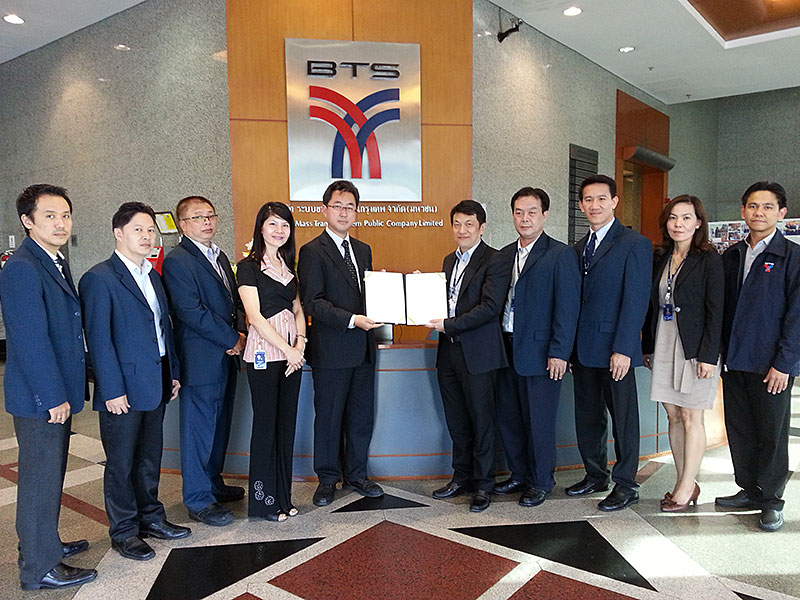
Bangkok’s BTS elevated railway decided in 2006 to adopt the test for train-driver recruitment and began testing in February 2007. Since 2013, it has been used throughout the company, beyond train drivers. In August 2018, BEM, the operator of MRT, adopted the test, followed in September of the same year by SRTET, the operator of ARL, extending adoption to all urban railway operators in Thailand.
Fees and results reports
| Test fee | From US$24 per Judgment For on-site testing, travel expenses may be charged separately. Distributors may also offer related services such as recruitment, HR consulting and organizational development. Please contact your nearest distributor for details. |
|---|---|
| Results | A PDF results report is normally sent by email within one to three business days after the test. Choose one report language: Japanese, English, Korean, Traditional Chinese, Simplified Chinese, Thai, Vietnamese or Turkish. |
- Individual results report — Japanese-language sample

- Group results report — Japanese-language sample

- Quick guide to working style — Japanese-language sample

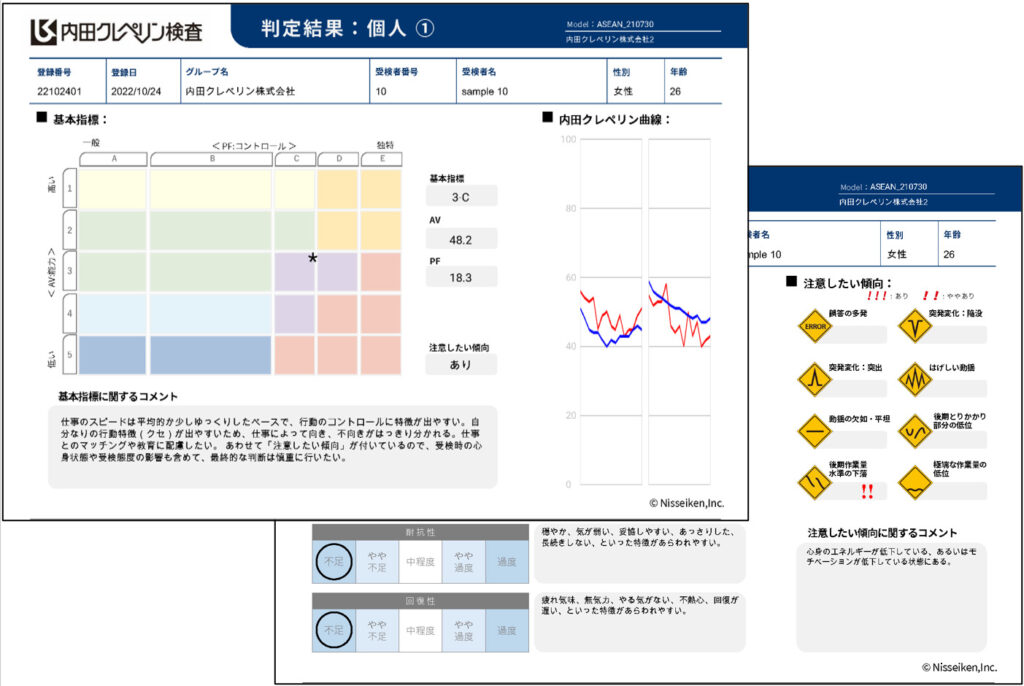
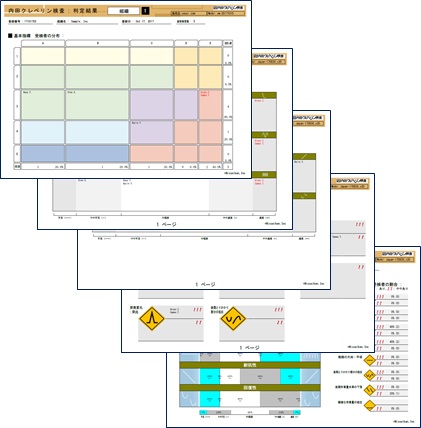
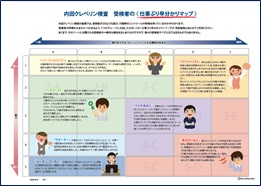
Judgment models
Select a reference model to suit the purpose of the assessment.
Results show workload per unit of time and behavioral and personality traits. Average values differ between countries and regions. In particular, average workload can differ substantially between developed and developing countries. Four models are available so that results can be analyzed against the reference population appropriate to your purpose.
- Japan model: based on average results for Japanese examinees. Suitable for expatriate assignments and foreign nationals who will work in Japan.
- China model: based mainly on average results for Chinese examinees in coastal regions.
- Korea model: based on average results for Korean examinees.
- ASEAN model: based mainly on average results for examinees in Thailand, Vietnam, Indonesia and Myanmar.
To arrange a Uchida-Kraepelin performance test, please contact your nearest distributor.
If you cannot find a distributor nearby, or would like to arrange testing in more than one country or region, please feel free to contact us using our enquiry form.